
Cascading Color: Ultimate Guide to Ivy-Leaved Pelargoniums
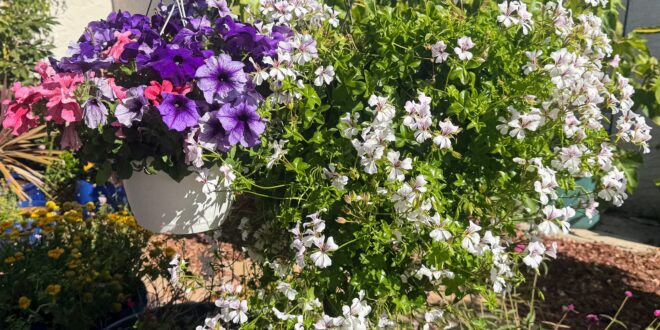
Ivy-leaved pelargoniums (Pelargonium peltatum) are the undisputed royalty of hanging baskets and window boxes. Often called ivy geraniums, these South African natives offer glossy, shield-shaped leaves and a relentless explosion of blossoms from spring until the first frost.
If you want to transform your sunny patios into a European-style floral display, here is everything you need to know to grow them successfully.
Key Growing Requirements
To get the most out of your plants, simulate their native warm, bright, and relatively dry environment.
- Light: Full sun to partial shade. They need at least six hours of direct sunlight daily for peak blooming. In extremely hot climates, afternoon shade prevents leaf scorching.
- Soil: Sharp, fast-draining soil is non-negotiable. Use a high-quality potting mix amended with perlite or coarse sand. Heavy, water-retaining soils cause root rot.
- Watering: Allow the top inch of soil to dry out completely between waterings. Water deeply at the base of the plant, keeping the foliage dry to prevent fungal issues.
- Temperature: These plants thrive between 60°F and 80°F (15°C to 27°C). They are frost-tender and must be brought indoors or treated as annuals when temperatures drop below 45°F (7°C).
Planting and Formatting for Impact
Because of their trailing habit, ivy-leaved pelargoniums look best when allowed to spill over edges.
- Container Choice: Use terra-cotta pots, hanging wooden baskets, or window boxes with ample drainage holes.
- Spacing: Space plants about 8 to 10 inches apart in containers to allow air circulation while ensuring a full, bushy look.
- Pinching: Pinch back the growing tips of young plants early in the spring. This forces branching, resulting in a thicker plant with double the flowers.
Feeding and Maintenance
Pelargoniums are heavy feeders because they expend vast amounts of energy producing continuous blooms.
- Fertilizer: Apply a balanced, water-soluble fertilizer every two weeks during the active spring and summer growing season. Switch to a high-potassium formula (like tomato food) mid-summer to boost flower production.
- Deadheading: Remove faded flower stalks promptly by snapping them off at the base. This prevents the plant from setting seed and redirects energy into new buds.
- Pruning: If the vines become leggy or sparse in late summer, trim them back by one-third to stimulate fresh, leafy growth and a new wave of blooms.
Common Troubleshooting
- Edema: This manifests as small, corky bumps on the undersides of the leaves. It happens when the plant absorbs water faster than it can transpire it, usually due to high humidity and overwatering. Reduce watering and improve air circulation.
- Yellowing Leaves: Usually a sign of overwatering or a severe nutrient deficiency. Check the soil moisture before adding more water.
- Pests: Keep an eye out for aphids, whiteflies, and spider mites. Treat infestations early with insecticidal soap or neem oil.
Hanging baskets in USDA Zone 9b offer the absolute perfect stage for ivy-leaved pelargoniums, allowing them to perennialize and spill beautifully year-round. However, the combination of a high-drainage hanging environment and warm Zone 9b summers requires a specific care strategy to keep them from scorching.
Zone 9b Hanging Basket Care Strategy
- Microclimate Placement: Hang your basket where it receives 4 to 6 hours of morning sun, but gets shielded from the blistering afternoon heat. Intense Zone 9b afternoon sun can bake the roots through container walls.
- Watering Frequency: Hanging baskets dry out exponentially faster than ground soil due to 360-degree air exposure. Check the soil daily in mid-summer. Water deeply until it runs out the bottom, but only when the top inch feels dry. [1, 2, 3, 4, 5]
- Liner Selection: If using a coco coir basket, insert a plastic liner with a few drainage holes sliced into the bottom before planting. This slows down moisture evaporation in hot weather. [1, 2, 3]
- Winter Strategy: In Zone 9b, winter temperatures occasionally dip into the upper 20s (°F) during brief frost events. Keep your basket on a mobile pulley system so you can easily bring it onto a protected porch or garage on freezing nights.