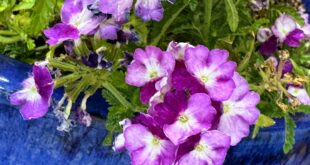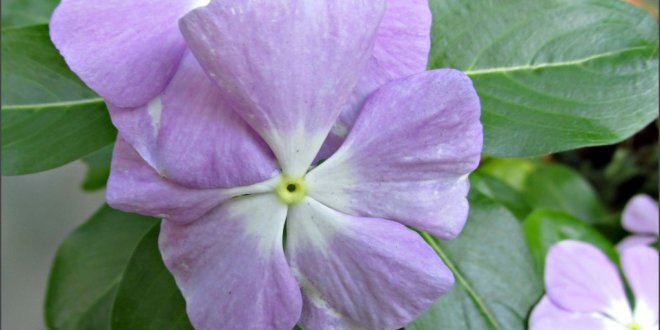

Periwinkle (Vinca minor) is the ultimate low-maintenance champion of the gardening world, transforming problematic, shaded areas into lush carpets of glossy green foliage and charming star-shaped blooms. Whether you need an aggressive groundcover to choke out weeds or a trailing beauty for your containers, this resilient evergreen is ready to step up.
Here is everything you need to know to successfully grow and manage periwinkle in your garden.
The Periwinkle Cheat Sheet
- Botanical Name: Vinca minor (Common Periwinkle) or Vinca major (Large Periwinkle).
- USDA Hardiness Zones: 4 to 9.
- Light Preferences: Thrives in dappled or partial shade, but adapts well to full shade or full sun (though harsh afternoon sun can scorch the leaves).
- Bloom Window: Peak flowering occurs in mid-spring (March–April), with delightful sporadic blooms carrying on into the fall.
- Landscape Uses: Groundcover, erosion control on slopes, shaded under-tree planting, and container trailing.
3 Ways to Use Periwinkle in Your Landscape
1. Under-Tree Groundcover
Shallow tree roots often starve other plants of moisture and nutrients. Periwinkle successfully competes with surface tree roots, weaving a dense green carpet right up to the trunk where grass refuses to grow.
2. Slope & Erosion Control
Because periwinkle’s trailing stems root themselves wherever they touch the soil, it builds a living netting that locks soil in place on steep, erosion-prone banks and slopes.
3. Container Gardening
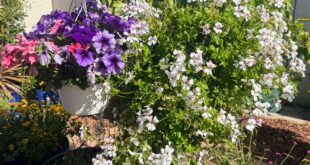
Worried about it spreading too fast? Keep it contained! Periwinkle makes a stunning “spiller” in mixed pots or hanging baskets, cascading over the edges with elegant, multi-toned leaves.
Plant Care & Maintenance Tips
- Soil Requirements: Periwinkle is highly adaptable and tolerates poor soil, but it truly thrives in moist, humus-rich, well-drained ground.
- Watering Needs: Keep the soil consistently moist immediately after planting. Once the root system is firmly established, periwinkle is highly drought-tolerant and rarely needs supplemental watering.
- Spacing: When planting as a groundcover, space individual starters about 8 to 12 inches apart to allow rapid, seamless coverage.
- ⚠️ Pro-Tip (Contain the Beast): Because of its aggressive growth habit, periwinkle can easily escape into native woodlands if left unmanaged. Use physical garden borders, or dedicate it strictly to isolated garden beds and containers to keep its spreading nature in check.
- 🐾 Safety Note: Keep in mind that periwinkle is toxic to dogs, cats, and horses. Place it away from areas where curious pets love to graze.
Stunning Varieties to Look For
When shopping at your local plant nursery, look out for these exceptional cultivars to add unique color and texture to your beds:
- ‘Bowles Variety’: Celebrated for its larger, deep-blue flowers and robust growth.
- ‘Ralph Shugert’: Features striking variegated leaves with sharp white edges surrounding clear blue blossoms.
- ‘Gertrude Jekyll’: A pristine, white-flowered variety that brightens up dark, shady corners