Tag Archives: blue

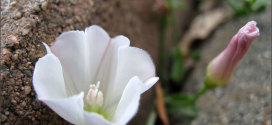
Morning Glory

morning glory flower

If you want to cover your fence FAST, the best choice would probably have to be Morning Glories. Morning Glories are very fast growing plants, that depending on the species, may be annual or tender perennial vines with light green, heart shaped leaves. They produce a non-stop show of large, blue, pink, purple, red, or white trumpet shaped, sometimes fragrant …

Read More »

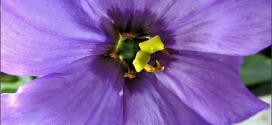
Lisianthius – Forever Blue

forever blue lisianthius

Lisianthus flowers are native to American prairies. And lisianthus is one of the best cut flowers — it will last in the vase for 2 to 3 weeks. Lisianthus can be challenging to grow. They’re extremely tricky to grow from seed, so start with established seedlings. Plant them in rich, well-drained soil in full sun after all danger of frost …

Read More »

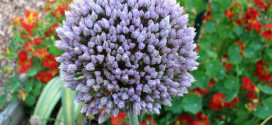
Elephant Garlic

Elephant Garlic flower

Elephant Garlic is not a true garlic; it’s actually a perennial member of the leek family. It produces a large beautiful allium head. Above ground, its bluish-green leaves resemble grass, and can grow up to 3 feet (1 metre) tall. The bulbs can grow up to 4 inches (10 cm) wide, and weigh up to a pound (450g), or more. …

Read More »

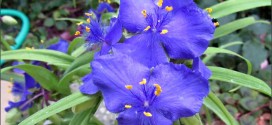
Tradescantia x andersoniana ‘Sweet Kate’

‘Sweet Kate’ is a compact, clump-forming, hybrid spiderwort that is noted for its unique yellow foliage. It typically grows to 12” tall. Three-petaled, purplish-blue flowers (to 1.5” diameter) accented by contrasting yellow stamens are borne in terminal clusters (umbels) atop stiff stems. Numerous flower buds form in each cluster, but individual flowers open up only a few at a time, …

Read More »

Bellflower

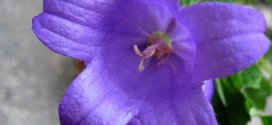
With their nodding heads, Campanula, or bellflower plants, are pretty perennial flowers. Bellflowers will bloom heaviest in June and July but can delight you with flowers all the way into October in some areas. The plant is native to many of the U.S. regions where cool nights and moderate temperatures prevail, creating ideal conditions for growing bellflowers. They require full …

Read More »

Gelasine coeruleax

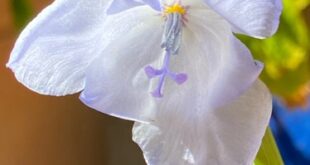
A rare member of the Iris family with such unusual colored flowers – sky-blue-flushed light lavender. The anthers are bright purple against a soft white throat. To 2” across, the Iris like flowers face outwards atop upright 12-20” stems and they just keep coming May till September – at least. Slender Iris-like foliage is evergreen for us here in USDA …

Read More »

Cupid’s Dart

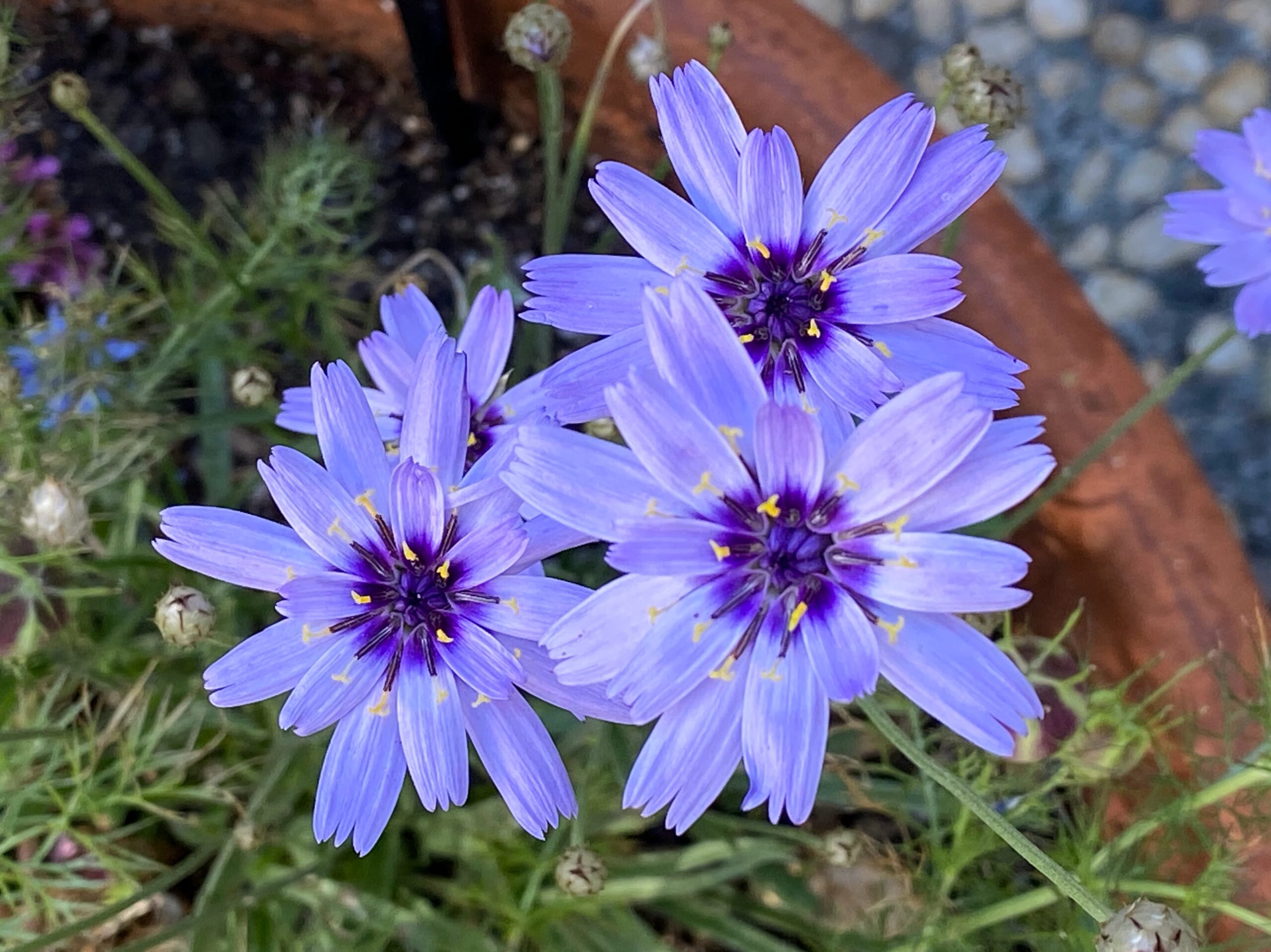
“Cupid’s Dart” (Catananche caerulea ) provides masses of sturdy, upright stems topped by pearly-papery buds that open into these lovely semi-double, purple-eyed, lavender-blue, 2” blooms. Cupid’s Dart appear continuously from early to late summer, peaking in midsummer. Ancient Greeks and Romans used the flowers as the main ingredient in love potions, hence the amorous common name “Cupid’s Dart”. Genus name …

Read More »

Convolvulus sabatius

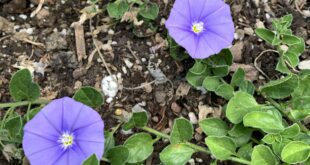
This pretty and tough evergreen groundcover is one of the most versatile, hard-working plants going! Lovely bluish-purple, open-faced, funnel-shaped 1-2” flowers appear in late Spring and continuing nonstop well into the Fall. Not invasive like some annual “Morning Glories”, this Mediterranean sun-lover needs little water once established. Forms a low, dense, vining mat of foliage 3’ across that helps with …

Read More »

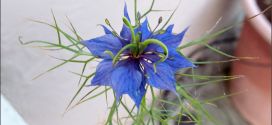
Love-in-the-mist – Nigella Hispanica

Love-in-a-mist (Nigella damascena) is a charming old-fashioned annual in the buttercup family (Ranunculaceae) that blooms in spring and early summer. One of about 15 species in the genus Nigella, love-in-a-mist is native to southern Europe and northern Africa. In its native habitat, this plant grows in fields, along roadsides, and in rocky or waste ground. The genus name Nigella comes …

Read More »

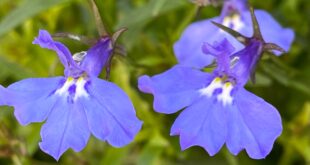
Lobelia erinus “Fountain Blue”

Lobelia erinus “Fountain Blue”xThis variety of Lobelia has masses of graceful, tumbling azure-blue half inch flowers. It softens the edge of the garden container as well as hanging baskets and window boxes. Blooms forever it seems, as Yoda says, and often lives over here in USDA Zone 10, and always self-sows to grace your gardening world every year. Rich soil …

Read More »